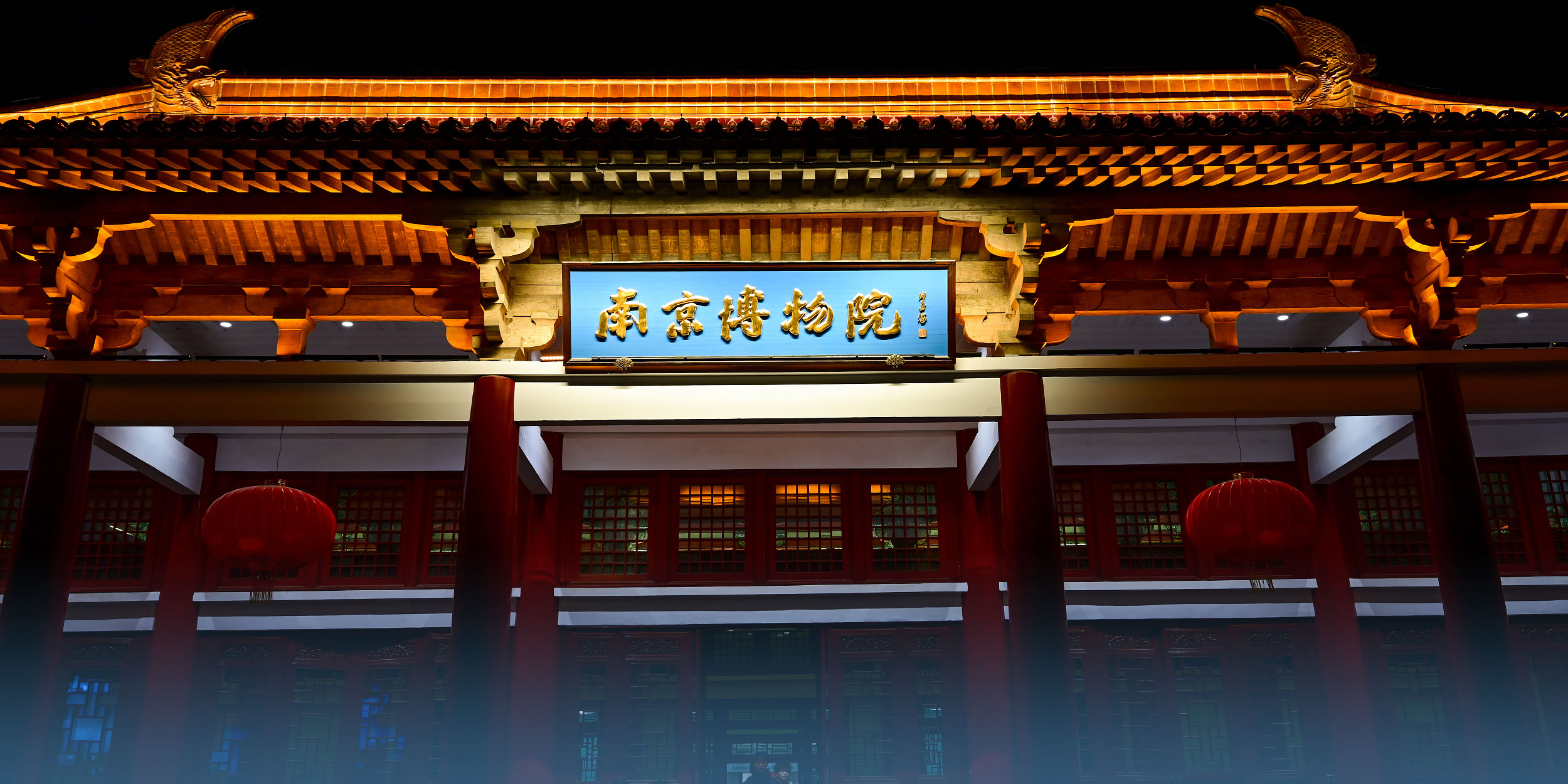
Probe Finds Major Art Mismanagement at China’s Nanjing Museum
A high-level investigation has uncovered systemic mismanagement and illegal art sales at the prestigious Nanjing Museum in eastern China’s Jiangsu province, with nearly two dozen officials facing disciplinary actions.
According to state broadcaster CCTV, the probe spanned 12 provinces and involved reviewing 65,000 documents, interviewing 1,100 individuals, and cross-referencing more than 30,000 artworks. Investigators traced five missing paintings.
With a collection of more than 430,000 artworks and cultural relics, the Nanjing Museum in eastern China is one of the country’s largest. The case is considered the most high-profile art scandal in recent years.
The investigation was launched in December after “Jiangnan Spring,” a Ming Dynasty (1368-1644) painting donated to the museum and worth an estimated 88 million yuan ($12.5 million), surfaced at a Beijing auction last May.
According to investigators, the family of noted collector Pang Laichen donated 137 paintings, including “Jiangnan Spring,” to the museum in 1959. In the 1990s, then-executive vice director Xu Huping improperly approved the transfer of some donated works to a state-owned art dealership for sale.
The probe also found that the former provincial department of culture failed to conduct a rigorous review and violated procedures by approving the transfer.
In July 1997, a custodian surnamed Zhang at the state-owned art dealership altered the listed price of “Jiangnan Spring” from 25,000 yuan to 2,500 yuan, then purchased it through an intermediary for 2,250 yuan.
Zhang later sold the painting to an art dealer for 120,000 yuan. The work subsequently reappeared at a 2025 auction, where it was identified by Pang’s great-granddaughter and later returned to the museum.
Two other paintings sold in 1999 and 2000 were recovered by the end of 2025 after changing hands multiple times. A fourth painting was relocated in the museum’s repository in 2025. The fifth painting, sold in 1995, remains missing.
The investigation concluded that Xu violated regulations by approving the transfer and sale of the artifacts and is now under investigation for serious disciplinary and legal violations. Zhang, the custodian, is also under criminal investigation.
More than 20 people have been identified in connection with the case, with suspected criminal matters referred to judicial authorities. The Jiangsu provincial government has also directed administrative agencies to initiate proceedings against the Nanjing Museum for violating cultural relic regulations.
Investigators urged provincial authorities to conduct a comprehensive overhaul of the museum and establish a social oversight committee. In an apology issued Monday, the Nanjing Museum vowed to strengthen its internal procedures, roll out new donation rules, and introduce public supervision to improve transparency and security.
Editor: Marianne Gunnarsson.
(Header image: VCG)